Trusted Analysis, Unbiased Research
Tap into Phocuswright’s unparalleled library of independent data, research and analysis. Our research products, subscriptions and services inspire smart strategic planning and growth. See all of our travel research reportsDistribution & Marketing
OTAs / Metasearch Travel Agents / Tour Operators GDSs / TMCs Tech / AdvertisingWeekly Research Insights Articles










We Are Global
Recent Research












Also check out our upcoming research and explore how to engage with us.
Ways to Engage
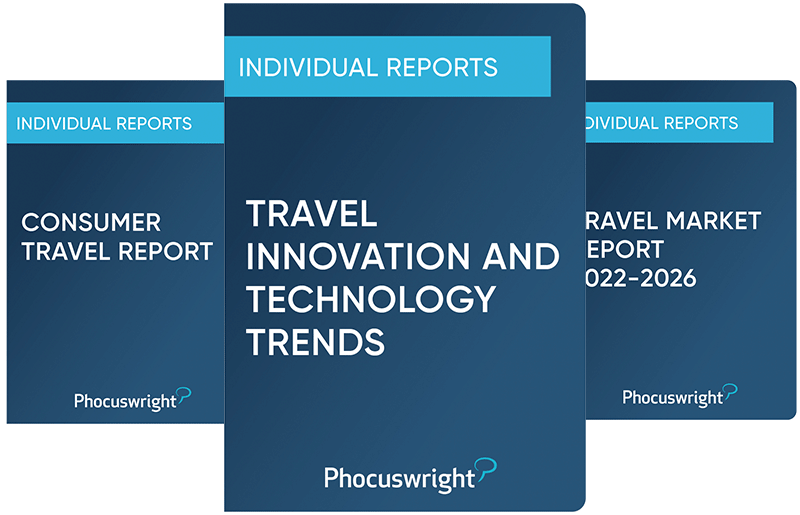
An Open Access research subscription provides company-wide access to the world's most comprehensive library of travel research and data visualization.



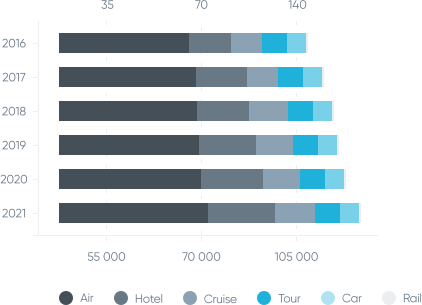
Market Sizing Data on Different Segments
Covering 30+ countries
Condensed Reports for Easy Overviews
Consumer Research
Weekly Research Insights and More
Sign up today to stay up-to-date:
- Weekly research insights articles
- Event updates
- Recently published research list
- And more!
Explore Phocuswright's Products and Services
Phocuswright offers so many ways for your company to gain competitive advantage with our independent research and analysis. From a free download to purchasing an individual report to a company-wide all-access subscription, there's something for every budget. You can also sponsor upcoming research or customize your own!
Learn More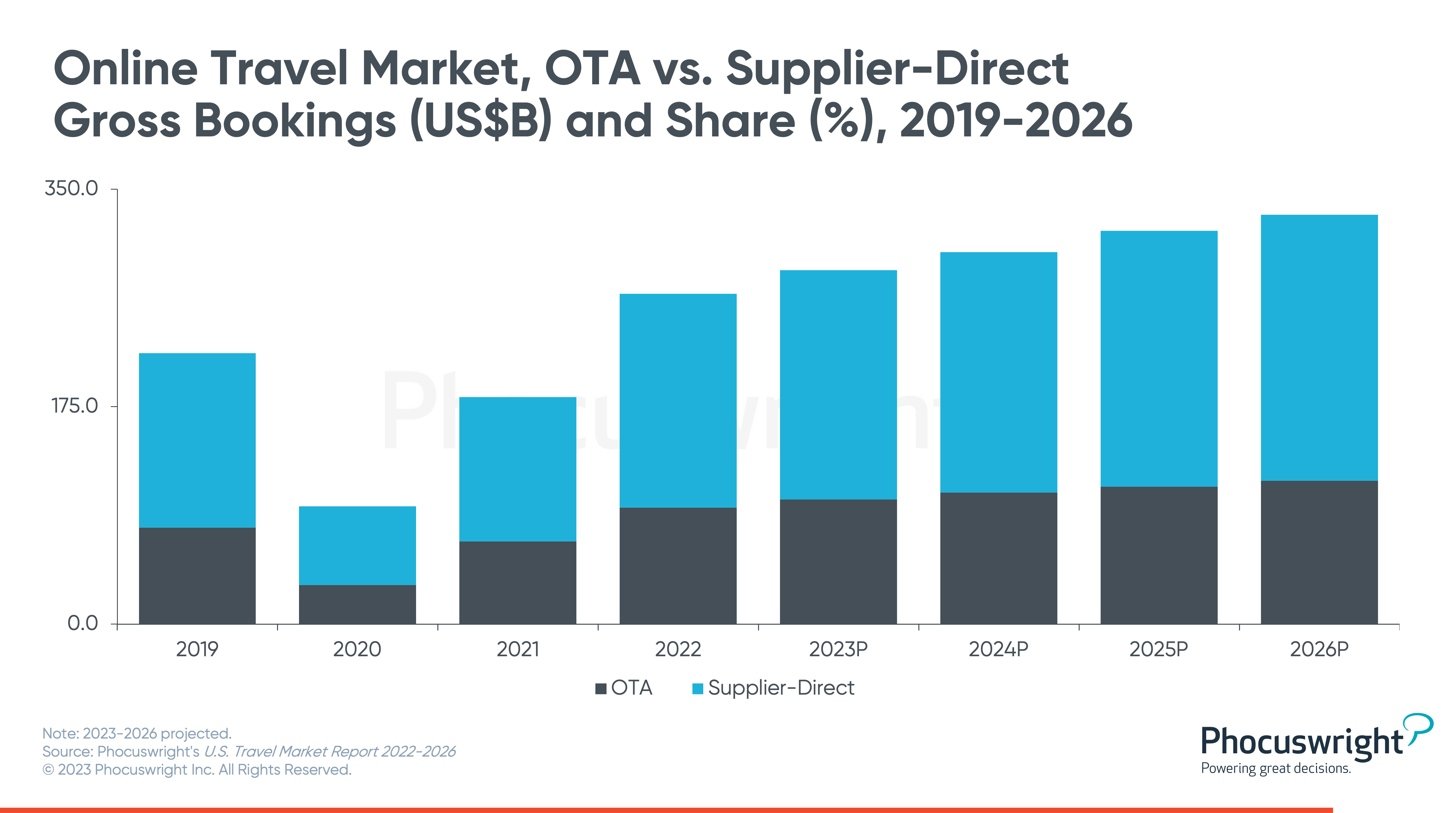
Phocuswright events are industry favorites shining the spotlight on travel innovation, networking and great content.
Learn More
With an arsenal of Phocuswright's deep, research-driven assets at its disposal, PhocusWire provides daily exposure to sought-after research, valuable industry data and expert analysis.
Learn More
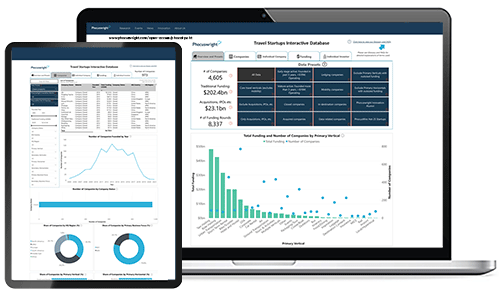
Whether you're in need of research about travel technology or the startup scene, a startup looking to make connections, or an investor seeking new companies to work with, we can help.
The Travel Industry's Most Trusted Experts
Our analysts are on top of the travel research, insights and trends your company needs.
Meet the Analyst Team
Charuta Fadnis

Cathy Walsh

Chris Thompson


David Juman

Peter O'Connor

Hollis Thomases

Madeline List
.png "Pete Comeau")
Pete Comeau

Giancarlo Carniani

Markus Schreyer


.png "Stan Pawlow")
Stan Pawlow

Fabián González

Mona Faraj

Grace Flanagan

Krassi Simonski

Carolina Sass de Haro

Gary Bowerman

News and Commentary from PhocusWire
Get the latest news, interviews, analyses and opinions with PhocusWire, the daily news service powered by Phocuswright.

Phocuswright/WiT Global Startup Pitch returns with new format

How technology is helping to fuel wellness opportunities for travelers

Hostaway launches financial services for STRs

Short-term rental experts talk funding climate, acquisition and valuations

Wide vs. deep: Considerations when choosing travel tech vendors

Spotnana Connects with Copa NDC API

RedAwning acquires STR property management startup Awning

American Airlines extends deadline for agencies to reach preferred status

STARTUP STAGE: RoomRite is a resale marketplace for group hotel blocks